Materials & Maintenance
Beautiful materials that fail under the stress of massage oils, heavy sanitation protocols, and constant foot traffic are design failures. Professional treatment rooms require finishes that balance natural, calming aesthetics with ruthless durability and straightforward repairability.
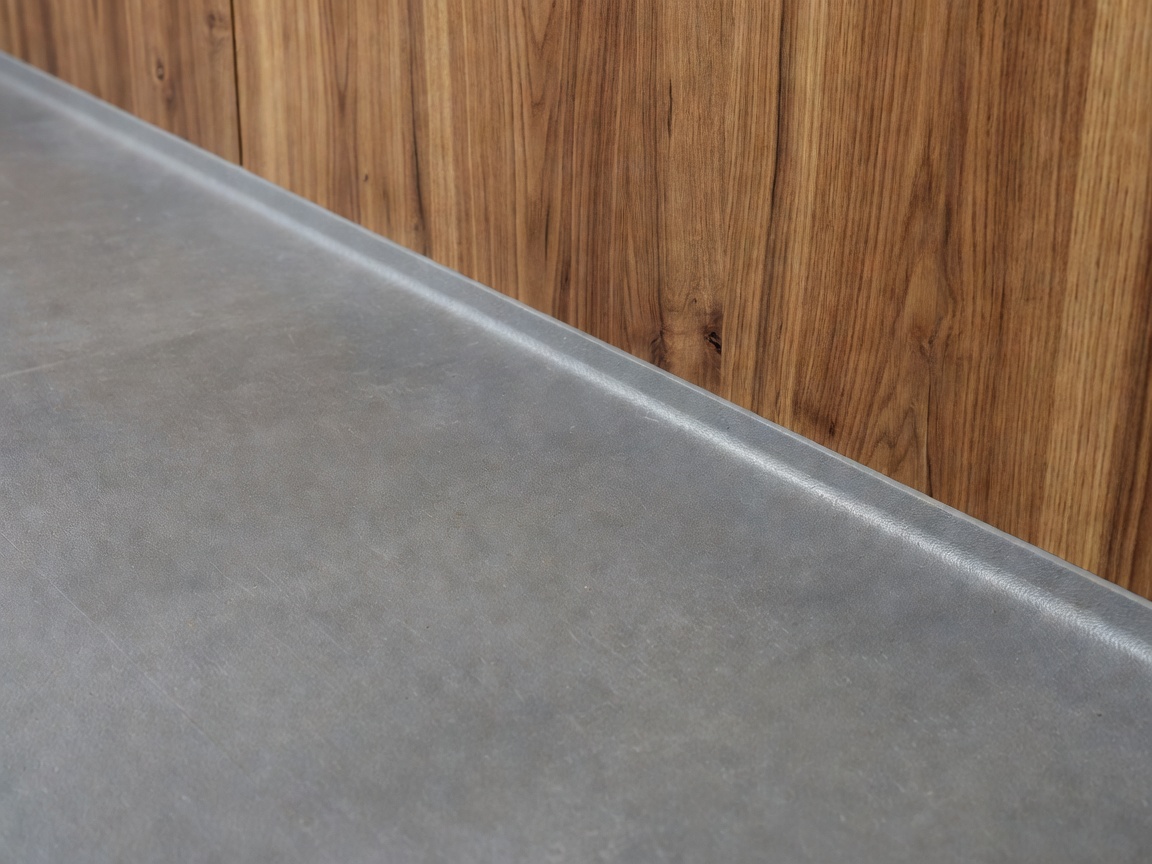
Note: We compare materials by appearance, maintenance, and broad cost categories (lower, mid-range, higher initial cost) rather than specific market prices which fluctuate greatly by region.
Flooring Selection
Flooring dictates acoustic performance, practitioner comfort, and cleaning efficiency. Hardwood looks premium but is highly susceptible to oil stains and dents from dropped tools. Carpet offers excellent acoustics and warmth but is impossible to sanitize thoroughly if bodily fluids or heavy oils are spilled.
Luxury Vinyl Tile (LVT) and commercial-grade laminates (mid-range cost) are industry standards for a reason. They mimic the natural look of wood or stone, provide minor acoustic dampening, are waterproof, and resist harsh cleaning chemicals. Large-format porcelain tile (higher initial cost) offers immense durability but requires anti-fatigue matting around the treatment table to prevent practitioner joint strain.
Wall Finishes and Moisture Considerations
Massage rooms experience higher humidity levels than typical offices due to towel warmers, localized heat, and breathability. Standard matte interior paint is easily marked by oily hands brushing against a wall. Eggshell or satin finishes are preferred for their wipe-ability.
For high-end spaces, commercial vinyl wallcoverings provide immense texture—mimicking grasscloth or linen—while remaining scrubbable and moisture-resistant. Real wood paneling adds acoustic warmth and architectural depth but requires thorough sealing to prevent oil absorption.
Upholstery and Surface Durability
Upholstery on treatment tables, practitioner stools, and guest seating endures constant friction and chemical exposure. 100% Polyurethane (PU) fabrics are soft and feel luxurious but can dry out, crack, or peel if exposed to alcohol-based sanitizers. Medical-grade PVC/vinyl handles hospital-grade cleaners easily but can feel stiff and cold to the touch.
Good For
- LVT (Luxury Vinyl Tile): High-traffic durability and easy cleaning
- Commercial Vinyl Wallcoverings: Adding texture without losing wipe-ability
- Quartz Countertops: Oil and stain resistance at sink stations
What to Know
- Oils destroy certain rubberized flooring materials; always test a sample.
- Stone surfaces (like marble) are highly porous and will stain immediately if massage oil is spilled.
Cleaning Routines and Long-Term Appearance
A room's design must accommodate the speed of room turnover. Complex, highly-textured surfaces gather dust and require meticulous detail cleaning. Smooth, continuous surfaces allow a practitioner to wipe down the room in minutes. When selecting countertops for sink stations, non-porous materials like quartz or solid surface (Corian) outperform natural stone, which requires regular resealing to prevent oil stains.
Practical Checklist
- Test flooring samples against your specific oils and sanitizing chemicals before purchasing.
- Avoid highly porous natural stone in splash zones or oil-preparation areas.
- Select an eggshell or satin paint finish for easy wall wipe-downs.
- Review the manufacturer's specific cleaning recommendations for table upholstery to prevent voiding warranties.
- Balance hard, easily cleaned surfaces with soft, removable textiles (like rugs or throws) that can be industrially laundered.